









What Is CIAM? And Which Is Safer for Protecting Identities?
February 13, 2026
Contingency Plan: A Strategy to Anticipate Risk Before a Crisis Occurs
February 18, 2026Ticketing System for Startups as Customer Numbers Keep Growing
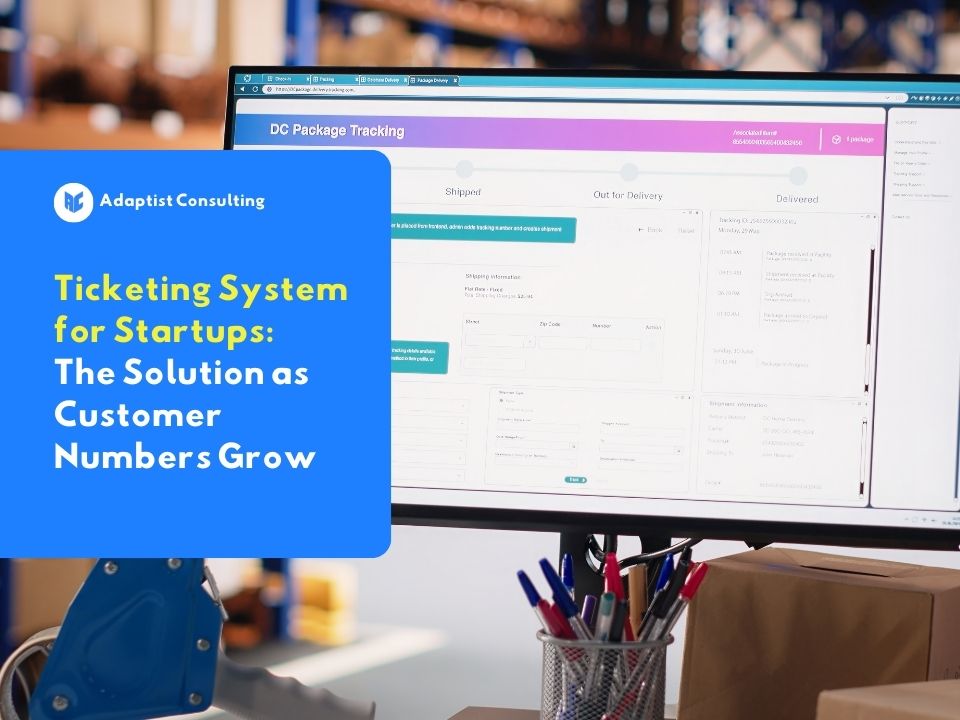
A ticketing system for startups helps transform customer communication from manual handling into a more structured process. As the number of customers grows, interactions no longer come from a single channel, and customer expectations continue to rise.
Companies that prepare early find it easier to maintain service quality while staying focused on product development and business strategy. From the early stage to scale-up, startups and growing businesses face a major challenge: managing customer communication effectively.
Questions from multiple channels, complaints that require quick resolution, and the need to maintain customer satisfaction often put pressure on small teams. This is where a ticketing system plays a critical role as the operational foundation of customer support that is organized, measurable, and ready to scale.
Why Startups and Growing Businesses Need a Ticketing System?
In the early stages, many startups rely on email, WhatsApp, or social media DMs to communicate with customers. This approach may work when interaction volumes are low. However, as the business grows, manual methods often create serious issues, such as:
- Missed or delayed tickets
- Lack of visibility into team performance
- Inconsistent customer experience
- Difficulty scaling operations
A ticketing system helps startups shift from a reactive approach to a proactive one, supported by clear workflows, recorded data, and processes designed for long-term growth.
Benefits of a Ticketing System for Startups and Growing Businesses
For startups and growing companies, a ticketing system is not just a customer support tool. It is a smart strategy for building efficient and sustainable workflows.
With the right system in place, businesses can manage customer interactions more effectively, improve service quality, and deliver a positive customer experience from the early stages of growth.
1. Improving Response Speed to Customers
A ticketing system increases response speed by collecting all customer requests in one centralized platform. The system routes each ticket directly to the appropriate team or agent without time-consuming manual steps. With a clear workflow, support teams can respond faster and more consistently, making customers feel valued and well served.
2. Helping Small Teams Work More Efficiently
The system enables clearer task distribution, better ticket progress tracking, and smoother collaboration among team members. With a ticketing system, a small team can handle a higher volume of customer requests without sacrificing service quality.
3. Reducing the Risk of Missed Tickets
One of the biggest challenges of manual customer support is the risk of missed or unresolved tickets. A ticketing system ensures that every customer request is recorded and tracked until completion. Clear ticket statuses allow teams to monitor work in real time and reduce errors that could affect customer trust.
4. Improving Customer Satisfaction from the Start
A positive customer experience from the beginning builds a strong brand perception. By using a ticketing system, startups can deliver faster responses, consistent solutions, and more professional communication. This directly improves customer satisfaction, loyalty, and business growth through referrals and repeat usage.
Why Are Separate Apps Killing Your Profits?
This short guide explores how using multiple, disparate applications can hinder productivity and create hidden costs. Learn the importance of unifying tickets, conversations, and customer data into a single, integrated system to enable customer service teams to work more efficiently, responsively, and consistently.
Integrated Customer Service
Study this PDF to learn why unifying your customer service platform is a critical step in increasing productivity, maintaining customer context, and supporting business growth.
Essential Ticketing System Features for Startups
When choosing a ticketing system, startups should focus not only on the number of features but also on how well those features match current and future business needs. Overly complex systems can slow adoption, while overly simple ones may fail to support growth.
For this reason, startups need to understand the core features that truly impact operational efficiency and service quality from the beginning.
Centralized Ticket Management
Centralized ticket management consolidates customer requests from multiple channels into one organized system. This approach eliminates the need for support teams to check emails, chats, or social media messages individually. Each ticket is recorded clearly with its full communication history, reducing the risk of missed requests and supporting collaboration, especially in fast-paced startup environments.
Ticket Prioritization
Ticket prioritization helps startups manage request urgency more effectively. Not all issues have the same business impact, so a system that categorizes tickets by priority adds significant value. With clear prioritization, teams can focus on the most critical issues first, maintain customer trust, and allocate resources more efficiently.
Omnichannel Support
Omnichannel support allows startups to serve customers across multiple communication channels within a single integrated platform. Whether customers reach out via email, live chat, WhatsApp, or social media, teams can manage all interactions without switching tools. This approach creates a consistent customer experience while improving response speed and accuracy.
Basic Reporting and Insights
Basic reporting and insights provide startups with the visibility needed to evaluate customer support performance. Metrics such as ticket volume, response time, and common issue types help businesses identify patterns and improvement areas. These insights support better decision-making for service optimization and product development.
System Scalability
Scalability is essential for startups planning long-term growth. A scalable ticketing system supports additional users, higher ticket volumes, and workflow adjustments without requiring a full system replacement. By choosing a system that grows with the business, startups avoid future operational barriers and stay focused on expansion.
How to Choose the Right Ticketing System for Startups
Selecting the right ticketing system is critical to ensuring smooth customer support operations and long-term business growth. With many solutions available, startups must align system selection with internal needs and future goals to avoid problems later.
Below are key steps to choosing the right ticketing system:
1. Understand Internal Needs First
Startups should analyze the main challenges facing their customer support teams. These may include response speed, ticket volume management, performance reporting, or multi-channel integration. By defining priorities clearly, startups can avoid choosing systems with unnecessary features that add little operational value.
2. Choose an Easy-to-Use System
Ease of use is essential for startups with small teams and overlapping roles. A ticketing system with an intuitive interface enables faster adoption without extensive training. The sooner the team uses the system effectively, the greater the positive impact on productivity and service quality.
3. Consider Cost Flexibility
From a budget perspective, startups should look for ticketing systems with transparent and flexible pricing. The ideal solution allows businesses to start with a basic plan and scale as the team and ticket volume grow. This approach helps control costs while supporting future needs.
4. Evaluate Support and Partnerships
Beyond technical features, vendor or partner support quality plays a major role. A ticketing system backed by a team that understands startup challenges is easier to implement strategically. Responsive, consultative, and solution-oriented support ensures startups gain maximum value from the system early on.
5. Ensure the System Is Easy to Scale
A strong ticketing system must support both current and future business needs. Startups should choose systems that allow user expansion, workflow customization, and integration with tools such as CRM or analytics platforms. This ensures the ticketing system becomes a core part of an evolving customer experience strategy.
Optimize Your Customer Service
Schedule a demo of Adaptist Prose and see how an integrated ticketing system helps bring tickets, conversations, and customer data together in a single dashboard. With a more structured workflow, teams can respond faster, reduce operational burden, and maintain consistent service quality as the business grows.
Conclusion
A ticketing system is no longer just a customer support tool. It has become a critical foundation for startup and growing business success. With centralized ticket management, clear prioritization, omnichannel support, essential reporting, and flexible scalability, businesses can deliver fast, professional, and consistent customer service.
However, even the best technology requires the right strategy and execution to deliver real results. This is where working with an experienced partner becomes essential.
If you want to build or improve a ticketing system that fits your business needs, now is the time to partner with Adaptist Prose. By collaborating with Adaptist Prose, you gain not only a technology solution but also a strategic approach to creating a strong and sustainable customer experience.
FAQ
An experienced partner ensures that the ticketing system works not only technically but also aligns with business strategy and startup growth goals.
Startups should evaluate ease of use, cost flexibility, core features, system scalability, and vendor or implementation partner support.
Ideally, yes. Omnichannel support helps startups manage communication from different channels in one system, ensuring a consistent customer experience.