










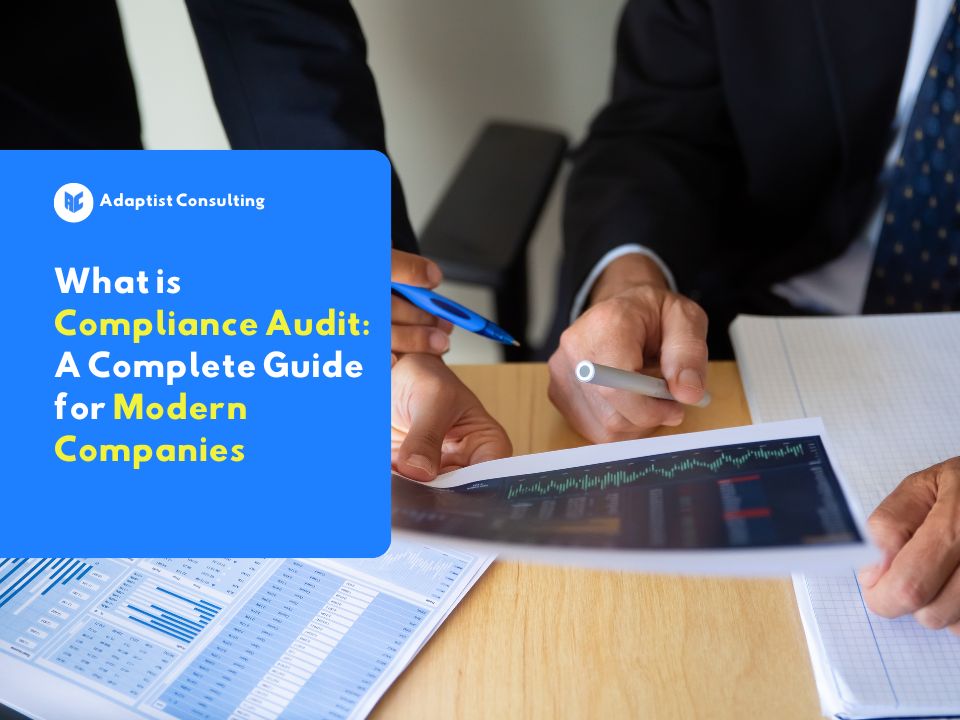
What is Compliance Audit: A Complete Guide for Modern Companies
Compliance audit is a structured method used to ensure that all organizational operations comply with applicable regulations while supporting the implementation of good corporate governance.
In an increasingly complex and highly regulated business environment, companies can no longer focus solely on growth and profitability. Compliance with laws, industry standards, and internal policies has become a critical factor in maintaining business sustainability.
What Is a Compliance Audit?
In general, a compliance audit is a self-assessment process conducted to evaluate how well an organization adheres to laws, industry regulations, contractual agreements, as well as internal policies and procedures. This audit does not only focus on document reviews but also evaluates business processes, systems, and operational behavior.
Unlike financial audits that primarily emphasize financial reporting outcomes, compliance audits focus on adherence itself. This means auditors compare actual practices in the field with requirements established by regulators or management.
In practice, compliance audits often serve as a key component within the Governance, Risk, and Compliance (GRC) framework. If you would like to explore compliance concepts in greater depth, you may refer to the article Compliance: Definition, Types, and Benefits for Companies as a foundational reference.
Objectives of a Compliance Audit
The primary objective of a compliance audit is to ensure that an organization operates in accordance with applicable regulations. However, its objectives extend beyond that scope, including the following:
1. Ensuring Regulatory Compliance
A compliance audit aims to verify that all company activities align with legal requirements, industry regulations, and relevant internal policies.
2. Reducing Legal and Financial Risks
Through audit processes, companies can identify potential violations early before they escalate into legal disputes or financial penalties.
3. Improving Internal Control Effectiveness
Compliance audits assess whether internal control systems are properly designed and effectively implemented to prevent errors and irregularities.
4. Supporting Transparency and Accountability
Audit findings serve as an objective basis for reporting to management and stakeholders in decision-making processes.
Many multinational organizations also use compliance audits to ensure readiness for external regulatory audits and specific certifications.
Why Is Compliance Audit Important for Businesses?
A compliance audit is not merely an administrative obligation. For modern businesses, it functions as a strategic tool that supports long-term sustainability.
1. Regulatory Changes
Constantly evolving regulations require companies to continuously adapt. Without a structured compliance audit, the risk of non-compliance increases along with the growing complexity of business processes.
2. Building Stakeholder Trust
Compliance audits help strengthen trust among stakeholders, including investors, business partners, and customers.
In addition, compliance audits contribute to improved decision-making quality. By identifying vulnerable or non-compliant areas, management can develop more effective corrective actions.
Benefits of Compliance Audit
The regular implementation of compliance audits provides several significant benefits for organizations, including:
1. Legal Protection
Minimizes the risk of regulatory violations and penalties imposed by authorities.
2. Operational Efficiency
Audit processes often identify inefficiencies or redundant procedures within business operations.
3. Enhanced Corporate Reputation
Maintaining compliance reflects a company’s professionalism and integrity.
4. Business Process Alignment
Audits help ensure that operational activities align with established company policies.
In the long term, compliance audits serve as a foundation for strong corporate governance. Audits conducted consistently encourage a culture of compliance and risk awareness at every organizational level.
Types of Compliance Audits
Compliance audits can be categorized into several types based on their focus and scope. Common types include:
1. Regulatory Compliance Audit
Focuses on compliance with laws and regulations established by government authorities.
2. Internal Compliance Audit
Evaluates whether company activities align with internal guidelines and standard operating procedures.
3. Industry Compliance Audit
Ensures that companies comply with specific industry standards, such as ISO certifications or data security protocols.
4. Contract Compliance Audit
Assesses whether contractual obligations with third parties are properly fulfilled.
Each audit type applies different approaches and techniques, but all aim to ensure alignment between actual practices and applicable requirements.
Compliance Audit Implementation Process
Implementing a compliance audit requires a well-planned and structured approach. Generally, the process includes the following stages:
1. Audit Planning
Identifying scope, audit standards, and applicable regulations as references.
2. Data and Evidence Collection
Conducted through interviews, observations, and reviews of documents and systems.
3. Evaluation and Analysis
Comparing existing conditions with established compliance criteria.
4. Audit Reporting
Producing a report that outlines findings, risks, and recommended improvements.
5. Follow-Up
Ensuring that audit recommendations are properly implemented.
In a digital environment, this process becomes more efficient when supported by integrated systems. One effective approach is Compliance and ERP Integration: A Smart Step Toward Audit Synchronization, where audit data can be managed centrally and in real time.
Challenges in Conducting Compliance Audits
Despite their importance, compliance audits present several challenges. Common issues faced by companies include:
- Rapid regulatory changes, requiring continuous updates to compliance standards.
- Business process complexity, where larger organizations face broader audit scopes.
- Limited resources, including skilled personnel and supporting technology.
- Inadequate documentation, which complicates compliance verification.
Overcoming these challenges requires strong management commitment and the adoption of appropriate technology.
The Role of IT in Compliance Audits
In today’s digital era, information technology plays a vital role in the success of compliance audits. IT systems support automation in data collection, compliance monitoring, and real-time audit evidence generation.
Key strategic roles of IT in compliance audits include:
- Implementing audit trails to clearly record all system activities.
- Managing user access to ensure permissions align with roles and responsibilities.
- Integrating systems to maintain data consistency and traceability.
Read Also: Audit Trail: Definition, Functions, Types, Examples, and Benefits in Business Systems
Conclusion
Compliance audits are a critical element in ensuring that companies operate in a compliant, transparent, and sustainable manner. More than a regulatory obligation, compliance audits function as a strategic tool to manage risk, improve governance, and strengthen stakeholder trust.
In practice, the success of compliance audits depends heavily on process integration, technological support, and strong management commitment. This is where comprehensive solutions such as Adaptist Privee can serve as a strategic partner, helping companies manage compliance, audits, and risk in a more structured, secure, and efficient way.
FAQ
1. What is a compliance audit?
A compliance audit is a systematic evaluation process to ensure that a company complies with laws, regulations, industry standards, and internal policies.
2. Who conducts compliance audits?
Compliance audits may be conducted by internal auditors, external auditors, or independent third parties depending on company needs.
3. How often should compliance audits be conducted?
The frequency depends on regulatory requirements and business risks, but audits are generally conducted periodically or when significant changes occur.
4. Are compliance audits only for large companies?
No. Companies of all sizes need compliance audits to ensure adherence and minimize risk.
5. How does technology support compliance audits?
Technology supports compliance audits through automation, data integration, audit trails, and real-time compliance monitoring.