










What Is Phishing? A Complete Guide to Avoiding Manipulative Attacks
January 14, 2026
What Is Auditors? Duties, Code of Ethics, and Responsibilities
January 14, 2026Ticketing: Definition, Benefits, and Tips for Companies
Ticketing serves as a bridge between customer expectations and a company’s operational capabilities. Today, customers expect fast responses, clear solutions, and consistent service. They do not care how large a business is; what matters to them is how organized and professional the service appears.
Ticketing has become a key element in the transformation of customer service in the digital era. As the number of customer inquiries, complaints, and requests continues to grow, companies can no longer rely on manual communication scattered across multiple channels. Without a structured system, the risk of miscommunication and delayed responses increases significantly.
More than just a tool for recording complaints, ticketing systems have evolved into service management solutions that help companies make data-driven decisions. With systematic ticket management, businesses can improve team efficiency, ensure customer satisfaction, and build long-term trust.
What Is Ticketing?
What is Ticketing? a system used to record, organize, monitor, and resolve every customer request or issue in the form of tickets. Each ticket contains essential information such as customer details, issue type, priority level, status, and handling history.
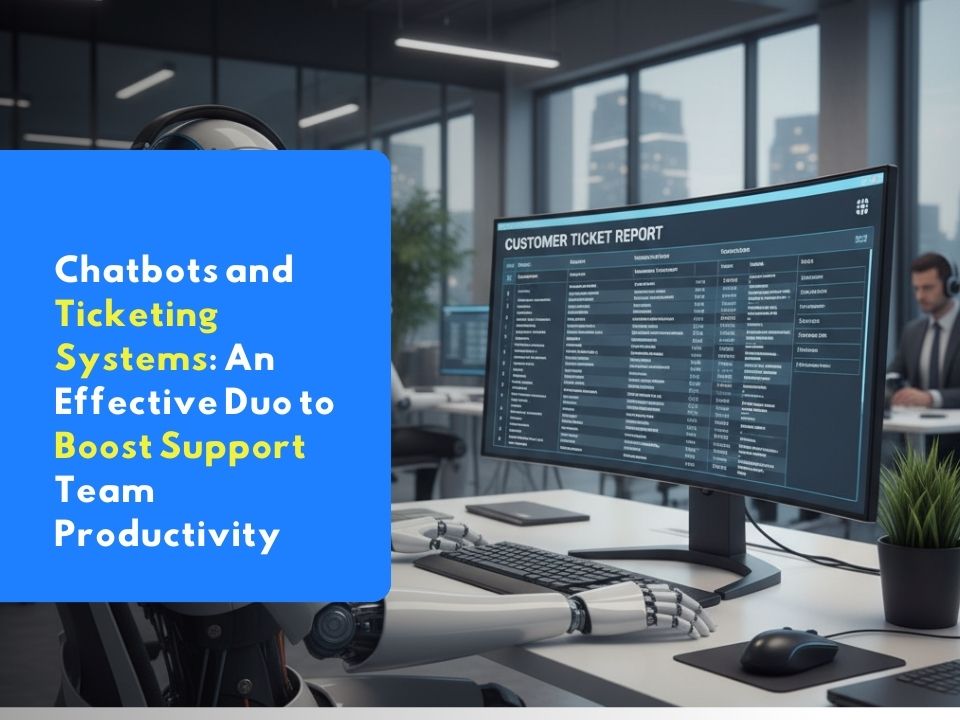
In practice, a ticketing system acts as the central control hub for customer service communication. All interactions—whether through email, live chat, WhatsApp, or social media platforms—are collected into a single integrated dashboard.
Main Functions of Ticketing
- Automatically record all customer requests
- Prioritize tickets based on urgency
- Route tickets to the appropriate team
- Monitor resolution status in real time
- Provide insights into customer service performance
With this approach, companies can ensure that no ticket is overlooked and every customer receives a consistent response.
Optimize Your Customer Service
Schedule a demo of Adaptist Prose and see how an integrated ticketing system helps bring tickets, conversations, and customer data together in a single dashboard. With a more structured workflow, teams can respond faster, reduce operational burden, and maintain consistent service quality as the business grows.
Benefits of Ticketing for Businesses
Implementing a ticketing system has a significant impact on service quality and operational efficiency. Based on IT operational practices, the following are the main benefits of ticketing for businesses:
1. Improving Team Efficiency
Ticketing helps customer support teams operate in a more structured manner. Each ticket follows a clear workflow, allowing faster resolution times and increased productivity.
2. Minimizing Human Error
With a centralized system, the risk of lost messages, duplicate responses, or incorrect ticket assignment can be significantly reduced.
3. Increasing Customer Satisfaction
Faster responses and well-documented solutions create a more consistent and positive customer experience.
4. Supporting Evaluation and Decision-Making
Data generated from the ticketing system can be used to:
- Identify recurring issues
- Evaluate team performance (SLA, response time, resolution time)
- Develop strategies to improve service quality
The Growing Need for Ticketing in the Business World
The demand for ticketing systems continues to grow as customer interactions become more complex. In the past, ticketing was used mainly to document complaints, but today it plays a far more strategic role.
Businesses now require systems that can:
- Manage multiple communication channels simultaneously
- Align workflows with internal procedures
- Support an increasing number of customers
For growing companies, using an All-in-One Ticketing Platform to Make Small Businesses More Professional can be an effective solution to unify operational services into a single system without unnecessary complexity.
Meanwhile, large organizations require Enterprise Ticketing Solutions: Efficiently Managing Thousands of Customer Tickets to maintain service quality while handling a high volume of tickets every day.
How Ticketing Works
To understand the importance of a ticketing system, businesses need to recognize how it operates as a whole. Ticketing does not merely record customer complaints; it manages the entire issue-resolution process in a structured, transparent, and measurable way. With a well-defined workflow, each ticket can be handled consistently without relying on specific individuals.
Below are the general steps in how a ticketing system works within a business:
1. Ticket Creation
The process begins when customers submit questions, complaints, or requests through channels such as email, live chat, WhatsApp, or website forms. The ticketing system automatically converts these messages into recorded tickets, ensuring that no customer request is missed.
2. Classification and Prioritization
Once a ticket is created, the system categorizes it based on issue type, urgency, or service category. This step helps teams determine which tickets require immediate attention to maintain response time standards.
3. Distribution to the Relevant Team
The ticket is then assigned to the most appropriate agent or department. Through automation or predefined rules, ticket distribution becomes faster and more accurate, reducing the need for manual coordination.
4. Handling Process
The assigned team handles the ticket and communicates directly with the customer through the system. All interaction records are stored, making internal collaboration easier and ensuring consistent information.
5. Resolution and Closure
After the issue is resolved, the ticket is closed and archived. This data can later be used to analyze issue patterns, evaluate team performance, and improve service quality in the future.
This process ensures transparency at every stage and reinforces accountability within customer service teams.
What Types of Businesses Should Use Ticketing?
As customer expectations for speed and service quality continue to rise, businesses no longer limit ticketing systems to large or technology-based companies. Various types of businesses that interact directly with customers now require systems that manage communication in an organized and well-documented manner.
The following types of businesses should actively use ticketing systems:
1. Technology and SaaS Companies
Technology businesses face a high volume of technical requests, ranging from bug reports to feature requests. Ticketing systems help technical teams prioritize issues and systematically handle every customer problem.
2. E-commerce and Marketplaces
In e-commerce, ticketing systems are essential for managing complaints related to orders, shipping, returns, and payments. These systems help maintain fast response times despite increasing transaction volumes.
3. Banking and Financial Services
The financial sector requires structured service documentation to ensure security and regulatory compliance. Ticketing systems ensure teams properly record and track all customer interactions.
4. Healthcare and Education
Hospitals, clinics, and educational institutions use ticketing systems to manage inquiries from patients, students, or parents in an organized manner, ensuring service quality remains high even with large request volumes.
Read Also: Customer Support: Definition, Strategies, and Examples in Business
Tips for Maximizing Ticketing
Relying on a ticketing system alone is not enough without a proper implementation strategy. Without clear configuration, ticketing may function merely as a recording tool without delivering meaningful improvements in customer service.
To ensure a ticketing system provides real value to the business, consider the following tips:
1. Define Clear SLAs
Service Level Agreements (SLAs) help teams understand the expected response and resolution times for each ticket. Clear SLAs enable businesses to maintain service quality and manage customer expectations.
2. Use Automation
Automation features such as auto-replies, auto-assignment, and tagging reduce manual workload. This allows teams to focus more on resolving issues rather than managing tickets.
3. Integrate with Other Channels
It become more effective when integrated with email, WhatsApp, live chat, and CRM platforms. This integration creates smoother communication and more unified customer data.
4. Conduct Regular Evaluations
Use ticketing reports to assess team performance, identify bottlenecks, and uncover opportunities to improve service quality. A data-driven approach is essential for long-term business growth.
Conclusion
Ticketing is a fundamental element in building structured, efficient, and customer-focused service operations. With the right ticketing system, companies can not only respond to issues more quickly but also gain valuable insights to shape long-term strategies.
Adaptist Prose supports businesses in implementing and utilizing it more effectively, from designing ticket-handling workflows and aligning customer service processes to integrating it with operational business needs. With the right approach, it becomes more than a recording tool it evolves into a sustainable system that strengthens customer service performance.
FAQ
No. Businesses of all sizes, from small enterprises to large corporations, actively use it. Small businesses can use it to organize customer service processes from the beginning, while large companies rely on it to efficiently manage high and complex ticket volumes. The key is selecting features that match business needs and capacity.
Customer service refers to the function or activity of assisting customers, while ticketing is a system that supports those activities by making them more structured and measurable. With ticketing, businesses record every customer interaction as a ticket, which enables more consistent, transparent, and measurable handling processes.
Yes. Most modern ticketing systems support integration with CRM and other business platforms. This integration allows businesses to access complete customer histories, combine service and sales data, and deliver more personalized and relevant customer experiences.
Ticketing plays an important role in increasing customer loyalty by enabling faster responses, consistent solutions, and professional communication. When customers see that a company handles their issues seriously and promptly, it builds trust in the brand and fosters long-term relationships.