











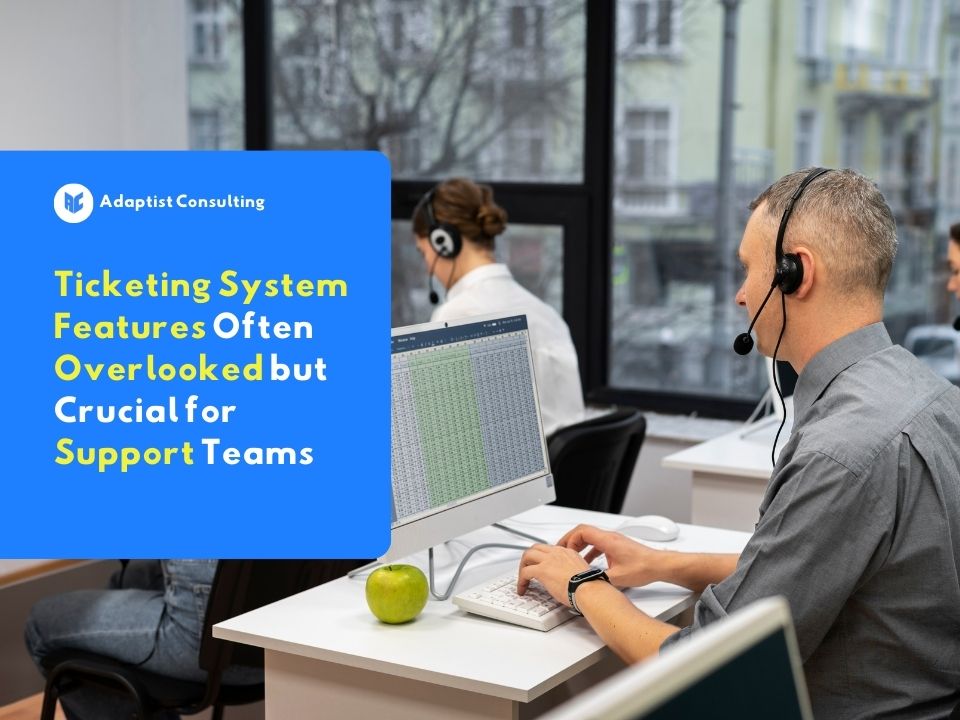
Ticketing system features are not merely tools for receiving and resolving tickets. They function as an operational framework that connects processes, people, and technology into a unified service flow. Without the right features, a ticketing system can become an additional burden rather than a support for customer service teams.
As customer expectations continue to rise, companies must be more deliberate in understanding ticketing system features. It is no longer just about having many features, but about how well those features align with business needs, company scale, and long-term growth direction.
Many companies believe they already have a customer support system in place, yet still struggle with ticket backlogs, slow response times, and difficulties in analyzing performance reports.
Why Are Ticketing System Features Important for Support Teams?
Support teams serve as the frontline in ensuring customer satisfaction and loyalty. Well-designed ticketing system features help teams work in a more structured, measurable, and collaborative manner. Without adequate features, ticket handling processes tend to rely heavily on individuals rather than on a reliable system.
Below are several reasons why ticketing system features are essential for support teams:
- Improve response speed through workflow automation and ticket prioritization
- Reduce human error by applying consistent process standards
- Enable smoother cross-team collaboration when tickets require escalation or multi-functional handling
- Provide objective performance data for analysis and decision-making
In other words, ticketing system features do not only support daily operations but also act as strategic tools for continuously improving service quality.
Core Features in a Ticketing System
Not all ticketing systems are created equal. However, there are several core features that should always be considered, as they directly impact the effectiveness of support teams.
Ticket Auto-Routing
This feature allows the system to automatically assign tickets to the most appropriate agents or teams based on criteria such as issue type, priority level, or incoming channel.
In the long run, auto-routing helps organizations build expertise within their support teams. Agents not only work faster but also more accurately as they become accustomed to handling specific types of issues. This directly affects solution quality and the consistency of customer experience.
Key benefits of this feature include:
- Reducing customer wait time by eliminating manual ticket reassignment
- Distributing workloads more evenly across teams
- Ensuring tickets are handled by agents with the right skill sets
Without auto-routing, support teams risk spending too much time managing ticket queues instead of resolving customer issues.
SLA Management
Service Level Agreement (SLA) management helps organizations define and monitor response and resolution time standards. This feature is critical for maintaining consistent service quality.
With SLA management, support teams can:
- Set response time targets based on ticket type or priority
- Receive alerts when SLAs are approaching their deadlines
- Evaluate service performance objectively
Well-managed SLAs also help establish realistic expectations between companies and customers. Moreover, SLA management serves as an internal control mechanism. Management can easily identify service areas that frequently exceed SLA limits and take corrective actions, whether by improving processes, adding resources, or enhancing team capabilities.
Dashboard and Reporting
This feature provides real-time visibility into support team performance. It transforms ticket data into actionable insights.
A well-designed dashboard also fosters a data-driven work culture. Support teams no longer rely solely on assumptions or intuition but use real data to improve performance, set priorities, and align individual goals with organizational objectives.
Key metrics typically include:
- Number of incoming and resolved tickets
- Average response and resolution time
- SLA compliance rates
- Workload per agent or team
Without adequate dashboards and reporting, management will struggle to identify issues or uncover improvement opportunities.
Role and Permission Management
Role and permission management ensures that each system user has access aligned with their responsibilities. This feature is essential for protecting data while improving operational efficiency.
Examples include:
- Agents can only view tickets relevant to their assignments
- Supervisors can access reports and escalation functions
- Administrators manage overall system configurations
Clear role structures help prevent confusion, task duplication, and data security risks. Beyond security, proper role and permission settings also streamline workflows. Each user can focus on relevant tasks without being distracted by unnecessary features or information, ultimately increasing overall team productivity.
Read Also: Omnichannel Customer Experience: A Solution to Improve CSAT
How to Determine Ticketing System Features for Business Needs
When selecting ticketing system features, organizations should begin with a thorough understanding of their business needs rather than focusing on lengthy feature lists. Every organization operates within a unique context.
Steps to determine the right features include:
- Mapping current service processes, including weaknesses and bottlenecks
- Identifying the daily volume and complexity of tickets
- Involving support teams and management in evaluating requirements
- Considering scalability to ensure features remain relevant as the business grows
This approach helps companies invest in features that deliver real value instead of simply following technology trends.
Optimize Your Customer Service
Schedule a demo of Adaptist Prose and see how an integrated ticketing system helps bring tickets, conversations, and customer data together in a single dashboard. With a more structured workflow, teams can respond faster, reduce operational burden, and maintain consistent service quality as the business grows.
Common Mistakes in Choosing Ticketing System Features
Many organizations make similar mistakes when selecting a ticketing system. These issues often become apparent only after implementation, when changes are difficult and costly.
Common mistakes include:
- Overemphasizing advanced features that are rarely used
- Ignoring ease of use for support agents
- Failing to consider integration with other systems such as CRM or ERP
- Overlooking long-term reporting needs
Avoiding these mistakes requires a more strategic approach grounded in real operational needs rather than assumptions.
Mistakes in selecting ticketing system features often have long-term consequences, ranging from low adoption rates among teams to increased operational costs due to underutilized systems. Therefore, the selection process should be treated as a strategic decision, not merely a software purchase.
Conclusion
Ticketing system features play a vital role in creating customer service operations that are efficient, consistent, and measurable. Beyond supporting daily operations, these systems form the foundation for data-driven decision-making and improved customer experiences.
By identifying essential features and aligning them with business needs, companies can maximize the value of their technology investments while continuously enhancing support team performance.
Moreover, transforming customer service requires a strategic partner who understands not only technology but also business context. Adaptist Prose supports organizations in designing, optimizing, and implementing ticketing systems aligned with long-term business objectives. Through a consultative, data-driven approach, Adaptist Prose is ready to become your partner in customer service growth.
FAQ
No. Feature complexity should match business scale and needs. Small businesses may only require strong core features.
When ticket volume increases, SLAs are frequently missed, or performance reports no longer provide clear insights.
Ideally, yes. Integration enables more efficient workflows and consistent data across systems.