











SAML: The Gold Standard for Single Sign-On (SSO) in Zero Trust Implementation
February 19, 2026
Violating the PDP Law: What is the Fine and What are the Impacts on the Company?
February 19, 2026The Overlooked Role of AI Chatbots in Predictive Customer Support
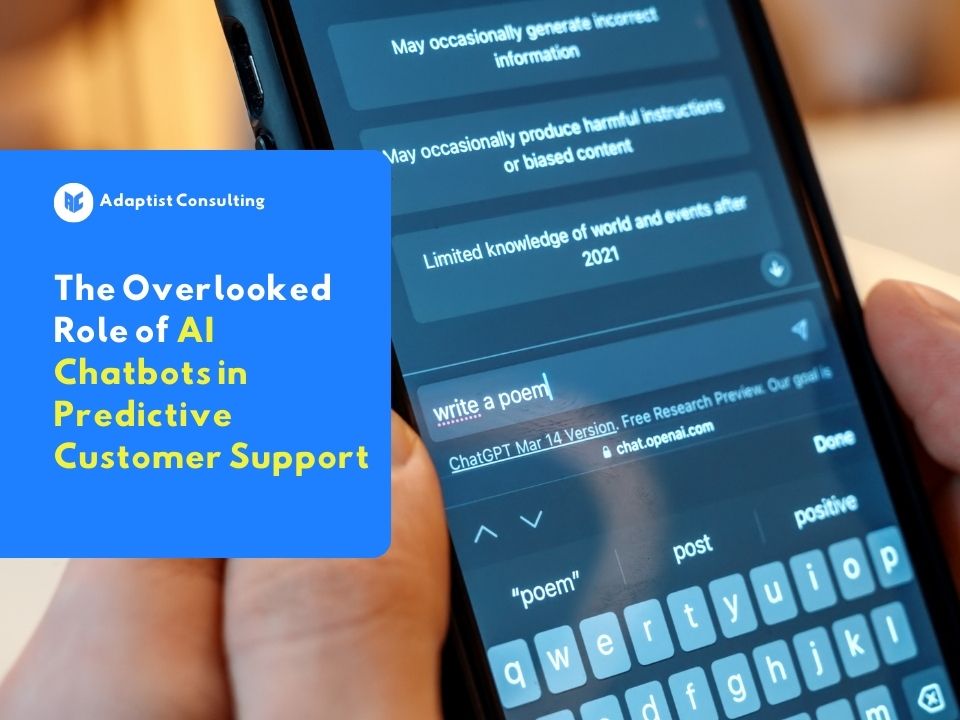
AI chatbot customer support has become a key solution in the transformation of modern customer service, especially as customer expectations for fast, personalized, and always-available responses continue to rise. Companies can no longer rely on customer service models that are purely reactive.
In today’s digital era, customers expect answers even before they realize a problem exists. This expectation pushes businesses to adopt technologies that can analyze patterns, understand behavior, and take action earlier.
AI chatbots no longer only answer common questions or resolve simple tickets. Supported by data, machine learning, and user behavior analysis, modern chatbots can predict customer issues before customers become aware of them. Through the combination of artificial intelligence, data analytics, and automation, predictive customer support emerges as a solution to increasingly complex and dynamic customer service challenges.
What Is Predictive Customer Support?
According to NiCE, predictive customer support is a customer service approach that uses AI, machine learning, and data analytics to predict customer needs and potential issues before those problems occur or are reported by the customer.
This approach allows companies not only to respond to customer complaints but also to anticipate and address issues proactively. In practice, predictive customer support analyzes multiple data sources such as interaction history, product usage patterns, and engagement trends across channels to identify signals that indicate potential service issues.
The main objectives of this approach are to:
- Reduce the number of incoming tickets
- Improve customer satisfaction
- Accelerate issue resolution
- Optimize customer service operational costs
Read also: The Role of Chatbots in Reducing Customer Service Ticket Volume
The Role of AI Chatbots in Customer Service
In predictive customer support, AI chatbot act as the frontline connecting data, technology, and user experience. Chatbots do not function solely as automated communication tools, but also as intelligent analytical systems capable of recognizing patterns, predicting needs, and executing real-time actions.
With these capabilities, AI chatbots help companies deliver faster, more relevant, and more proactive customer service.
Analyzing Customer Interaction Patterns
AI chatbots collect and analyze customer interaction patterns across multiple touchpoints, such as repeated questions, frequently discussed topics, and the timing and context of conversations. From this analysis, chatbots identify trends that signal confusion, dissatisfaction, or potential issues.
By applying machine learning, chatbots understand context, sentiment, and urgency within conversations. For example, customers who repeatedly ask about a specific feature may indicate confusion or difficulty using that feature.
Detecting Potential Issues Before Tickets Are Created
One of the key advantages of AI chatbot in predictive customer support is their ability to detect potential issues before customers explicitly report them. By leveraging historical data and real-time behavior, chatbots identify early indicators such as increased usage errors, declining activity levels, or recurring technical questions within a short timeframe.
When the system detects these signals, the chatbot can immediately intervene by asking clarifying questions or offering relevant assistance. This approach prevents issues from escalating and significantly reduces the number of tickets submitted to customer support.
Providing Automated Solutions Before Problems Occur
AI chatbot not only identify potential issues but also deliver proactive, automated solutions. Based on predictive insights, chatbots can send usage guides, quick tips, or step-by-step troubleshooting instructions without waiting for customers to ask.
These proactive solutions can also adapt to each customer’s context and interaction history. For instance, chatbots can tailor recommendations based on frequently used features or specific stages of product adoption. As a result, customers experience service that feels more personal, efficient, and relevant.
Optimize Your Customer Service
Schedule a demo of Adaptist Prose and see how an integrated ticketing system helps bring tickets, conversations, and customer data together in a single dashboard. With a more structured workflow, teams can respond faster, reduce operational burden, and maintain consistent service quality as the business grows.
The Impact of Predictive Chatbots on Ticketing Systems
The implementation of predictive AI chatbot brings significant changes to how ticketing systems operate. It not only improves internal efficiency but also reshapes the overall customer experience. The key impacts include:
1. Reduction in Ticket Volume
By predicting issues and intervening early, chatbots resolve many customer problems before they become formal tickets. Chatbots provide instant solutions or proactive assistance, significantly reducing ticket volume and easing the workload of customer service agents.
2. Improved Ticket Quality and Completeness
Tickets that still reach the system usually pass through an initial clarification stage handled by the chatbot. The chatbot gathers details such as issue type, brief chronology, and product usage context, making tickets more structured and easier for agents to resolve.
3. Faster Resolution Time
Because tickets already contain sufficient context, agents spend less time collecting basic information. This directly accelerates diagnosis and resolution while helping companies meet service-level agreements more consistently.
4. Optimized Ticket Prioritization and Escalation
Predictive chatbots help classify ticket urgency based on data patterns and potential business impact. The system can immediately prioritize or escalate critical tickets while handling minor issues automatically or semi-automatically.
5. Operational Efficiency and Cost Savings
By reducing repetitive tasks and manual workloads, companies allocate customer service resources more effectively. Operational costs decrease without sacrificing service quality, and overall team productivity often improves.
6. Consistent Customer Experience
From the customer’s perspective, support feels faster and more seamless. Customers avoid repeating explanations, waiting excessively, or switching channels. This smooth experience significantly boosts satisfaction and long-term loyalty.
Read also: Ticketing Systems for Startups as Customer Numbers Grow
Conclusion
Predictive customer support represents a major evolution in customer service. By leveraging AI chatbot, companies can shift from reactive support models to proactive strategies moving from simply resolving issues to preventing them before they occur. The result is a better customer experience, higher efficiency, and stronger long-term customer relationships.
For companies looking to adopt or enhance predictive customer support, choosing the right technology partner is a critical first step. Adaptist Prose serves as a strategic partner in developing AI chatbots and data-driven customer support solutions.
With a flexible, customizable approach focused on real business needs, Adaptist Prose helps organizations build intelligent, proactive, and sustainable customer service systems. Now is the time to transition to customer service that is more modern, more predictive, more personal, and more effective with Adaptist Prose.
FAQ
No. AI chatbots handle repetitive and predictive tasks, while human agents remain essential for complex issues and situations that require empathy.
No. Predictive customer support can be implemented by small businesses to large enterprises, as long as sufficient data and a proper implementation strategy are available.
Implementation timelines vary depending on system complexity and data integration, but companies can usually deploy predictive chatbots gradually without disrupting ongoing operations.