









What is Risk Management: Definition and Implementation Steps
January 2, 2026
What is Incident Management? Definition and How It Works
January 2, 2026What Is ISO 37001? Anti-Bribery Management System (ABMS) Standard
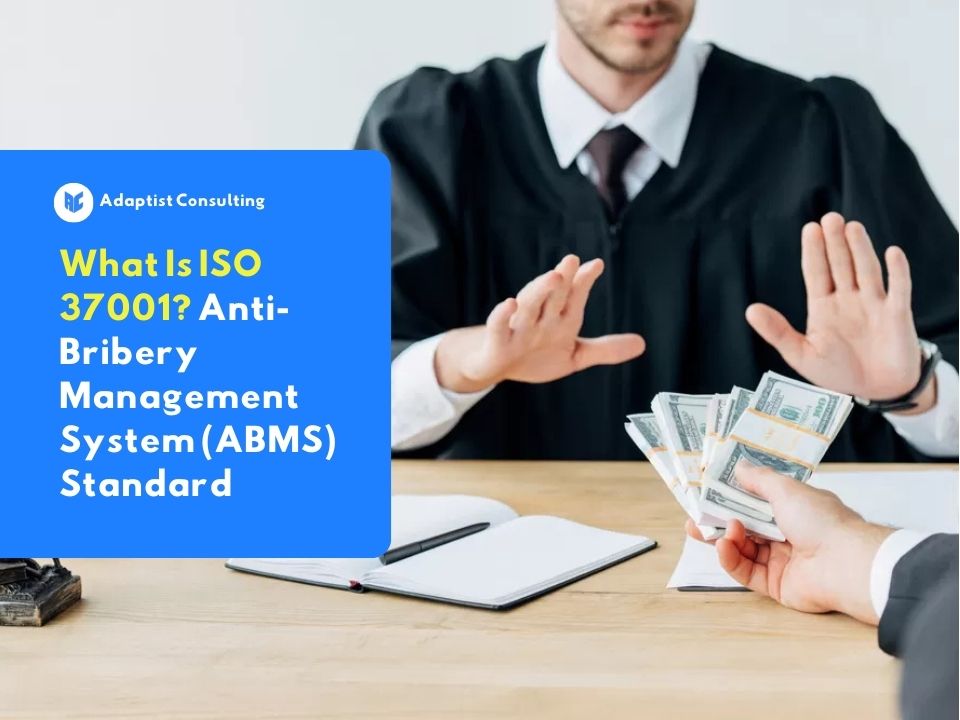
In today’s increasingly complex and interconnected global business environment, bribery and corruption pose serious risks that can undermine corporate value almost instantly.
Regulatory scrutiny continues to intensify through anti-corruption laws and international frameworks such as the Foreign Corrupt Practices Act (FCPA), the UK Bribery Act, and similar regulations worldwide.
At the same time, stakeholders including investors, business partners, regulators, and customers are placing greater emphasis on transparency, integrity, and ethical conduct.
In this context, compliance is no longer optional. It has become a fundamental pillar of Good Corporate Governance (GCG) and long-term business sustainability.
This is where ISO 37001 plays a critical role. It provides a structured anti-bribery management framework that enables organizations to establish effective controls, strengthen governance, and embed a culture of compliance across the business.
Importantly, ISO 37001 should not be viewed merely as a certification. It is a management system designed to support ongoing Governance, Risk, and Compliance (GRC) practices in a sustainable and integrated manner.
What Is ISO 37001?
ISO 37001 is an international standard that specifies requirements for establishing, implementing, maintaining, reviewing, and continually improving an Anti-Bribery Management System (ABMS).
From a business perspective, ISO 37001 serves as a corporate governance tool that provides clear structure and guidance for managing bribery risks effectively, regardless of an organization’s size, industry, or geographic location.
The standard follows a risk-based approach, meaning that anti-bribery controls should be proportionate to the level and nature of bribery risks faced by the organization.
The primary objective of ISO 37001 is to ensure that organizations have appropriate policies, procedures, and controls in place to:
- Reduce the likelihood of bribery occurring
- Respond effectively to identified risks or incidents
- Demonstrate a strong commitment to ethical business conduct
ISO 37001 is applicable to a wide range of organizations, including private companies, public sector entities, state-owned enterprises, non-profit organizations, and multinational corporations.
It is designed to be scalable and adaptable, allowing organizations to tailor the system to their specific business context, risk exposure, and operational complexity.
Main Principles of ISO 37001
ISO 37001 is built on several core principles that form the foundation of an effective anti-bribery management system. Understanding these principles is more important than simply focusing on technical compliance.
1. Commitment and Leadership from Top Management
Effective implementation starts at the top. Strong and visible commitment from the board of directors and senior management is essential to set the tone, allocate resources, and ensure the system operates effectively.
Without ethical leadership and genuine commitment, an anti-bribery system risks becoming a box-ticking exercise rather than a meaningful governance tool.
2. Clear Policies, Procedures, and Controls
An effective ABMS requires a well-defined anti-bribery policy supported by clear, enforceable procedures and controls.
These policies should address key risk areas such as gifts and hospitality, charitable and political contributions, third-party relationships, and procurement activities.
3. Risk Assessment
ISO 37001 emphasizes the importance of identifying, analyzing, and evaluating bribery risks based on the organization’s business context. Not all organizations face the same level of risk.
A risk-based assessment allows companies to focus their controls on high-risk activities, such as dealings with third parties, public sector interactions, or operations in high-risk jurisdictions.
4. Due Diligence and Controls
Many bribery risks arise through interactions with third parties, including agents, consultants, suppliers, and business partners.
ISO 37001 requires organizations to conduct appropriate due diligence to assess the integrity and risk profile of third parties before and throughout the relationship.
This preventive measure helps ensure that third parties operate in line with the organization’s anti-bribery standards and ethical expectations.
5. Internal Controls and Audit
The standard requires organizations to implement financial and non-financial controls designed to prevent, detect, and address bribery risks.
Regular and independent internal audits play a critical role in evaluating whether these controls are functioning effectively and remain fit for purpose.
6. Training and Awareness
Well-designed policies are meaningless without understanding. Organizations must implement ongoing communication, training, and awareness programs for employees and relevant stakeholders, tailored to their roles and risk exposure.
The objective is to ensure that individuals understand the policies, procedures, and their personal responsibilities in preventing bribery, as well as how to recognize risky situations.
7. Reporting (Whistleblowing) and Investigation Systems
An effective system must enable people to speak up. ISO 37001 requires organizations to establish accessible, secure, and confidential reporting channels (such as whistleblowing) that protect individuals from retaliation.
All reports must be handled through independent, objective, and well-documented investigation processes to ensure credibility, consistency, and appropriate corrective action.
Why Is ISO 37001 Important?
Without a robust anti-bribery management system, organizations face significant risks to their reputation, stakeholder trust, and long-term viability.
Bribery, whether intentional or not, can lead to legal sanctions, financial losses, operational disruption, and the loss of strategic business opportunities.
In many cases, reputational damage caused by a single bribery incident can far outweigh the immediate financial impact.
ISO 37001 provides a structured and proactive approach to managing bribery risks and integrating them into broader Governance, Risk, and Compliance (GRC) frameworks.
It supports stronger corporate governance, enhances credibility with investors and business partners, and contributes to Environmental, Social, and Governance (ESG) objectives, particularly within the governance pillar.
Benefits of ISO 37001
Implementing ISO 37001 delivers strategic, operational, and long-term benefits for organizations.
1. Effective Bribery Risk Mitigation
A risk-based approach enables organizations to identify high-risk areas and apply targeted controls, reducing both the likelihood and impact of bribery incidents.
2. Enhanced Credibility and Reputation
Certification to ISO 37001 by an independent body sends a strong signal to the market that the organization operates with integrity. It can serve as a competitive advantage, particularly in public sector tenders or international business partnerships.
3. Protection for Directors and Management
A well-documented system can serve as evidence of reasonable preventive measures and due diligence, which may mitigate liability in the event of misconduct by individuals.
4. More Controlled and Efficient Operations
Clear procedures for procurement, recruitment, and third-party engagement reduce ambiguity, prevent misconduct, and improve operational efficiency.
5. Alignment with Regulatory and Stakeholder Expectations
ISO 37001 helps organizations meet diverse anti-corruption legal and contractual requirements in a consistent and integrated manner.
6. Stronger Culture of Integrity
Ongoing training, communication, and transparent reporting mechanisms foster ethical behavior, employee engagement, and long-term organizational resilience.
How to Implement ISO 37001
ISO 37001 should be approached as a continuous improvement journey rather than a one-off compliance project. At a high level, implementation typically includes the following stages.
1. Leadership Commitment
It begins with formal commitment from the Board and top management, along with the establishment of a project team supported by adequate resources.
2. Gap Analysis and Risk Assessment
Conduct a gap analysis comparing existing practices with ISO 37001 requirements. This should be followed by a comprehensive and documented bribery risk assessment covering activities, relationships, and operational areas.
3. System Design and Documentation
Based on the risk assessment, develop or update the Anti-Bribery Policy and obtain top management approval. Establish supporting procedures, forms, and controls (e.g., third-party due diligence procedures, conflict of interest declarations, gifts and hospitality procedures).
4. Implementation and Communication
Integrate the designed procedures into daily business operations. Conduct comprehensive and recurring training and communication programs for employees and relevant external parties, such as suppliers.
5. Monitoring, Evaluation, and Improvement
Activate secure, confidential, and accessible whistleblowing channels to enable objective reporting without fear of retaliation.
These mechanisms must be supported by clear procedures for handling reports to ensure that all allegations are investigated professionally and consistently.
Organizations should also conduct regular internal audits and management reviews to assess the effectiveness of the anti-bribery management system.
Any identified non-conformities must be addressed through appropriate corrective actions to ensure continual improvement and safeguard the integrity of corporate governance.
6. Certification (Optional)
Organizations may choose to undergo certification by an accredited independent body.
Upon successful completion, the organization will receive ISO 37001 certification, typically valid for three years, subject to annual surveillance audits.
Conclusion
ISO 37001 offers significant strategic value for organizations seeking to strengthen governance, manage bribery risks, and build long-term stakeholder trust.
It goes beyond compliance. ISO 37001 is a governance framework that reinforces integrity, transparency, and accountability, enabling organizations to operate responsibly in complex business environments.
By implementing an anti-bribery management system, organizations demonstrate a clear commitment to ethical conduct, transparency, and sustainability.
For business leaders, ISO 37001 can form part of a long-term strategy to protect reputation, enhance market confidence, and support responsible business expansion.
F.A.Q: ISO 37001
1. What is ISO 37001?
ISO 37001 is an international standard for anti-bribery management systems that helps organizations prevent, detect, and respond to bribery risks.
2. Is ISO 37001 mandatory for companies?
No. It is voluntary, but strongly recommended for organizations seeking stronger governance, compliance, and stakeholder confidence.
3. Is ISO 37001 only about certification?
No. ISO 37001 focuses on establishing an effective management system for ongoing bribery risk prevention, not just achieving certification.
4. What is the difference between implementing ISO 37001 and being certified?
Implementing ISO 37001 means establishing and operating an ABMS internally in line with the standard’s requirements.
Certification involves an independent, accredited certification body verifying compliance through an audit and issuing an official certificate, providing stronger external assurance.
5. Does ISO 37001 certification make an organization immune to bribery cases?
No system provides absolute immunity. ISO 37001 is a robust risk mitigation framework. ISO 37001 certification demonstrates that the organization has implemented reasonable and proportionate measures to prevent bribery, which may be considered positively by regulators if an incident occurs.