











Net Promoter Score has become one of the metrics widely used by companies to understand their interactions with customers. In an increasingly competitive business environment, companies are required to create positive and sustainable customer experiences.
Many companies are now realizing that customer loyalty has a direct impact on business growth. Customers who feel satisfied will not only continue using the same product but will also tend to recommend it to others.
By using NPS, companies gain a deeper understanding of their customers’ satisfaction and loyalty levels. With this insight, businesses can take strategic steps to improve service quality, strengthen connections with customers, and drive sustainable business growth.
What is Net Promoter Score (NPS)?
Net Promoter Score is a metric used to measure how loyal customers are to a product, service, or brand. Fred Reichheld first introduced this concept, and many companies across different industries have since adopted it as an important tool for evaluating customer experience.
According to Salesforce, Net Promoter Score does not only function as a way to measure customer satisfaction, but it also serves as an indicator that can help companies predict potential business growth in the future.
Typically, companies obtain NPS through a single simple question asked to customers:
“How likely are you to recommend this product or service to others?”
Customers respond using a scale from 0 to 10. Customers who have positive experiences tend to become active promoters who recommend the product or service to others.
Read Also: Resolution Time Slow? Here’s How to Speed Up Ticket Resolution
Three Main Classifications in Net Promoter Score
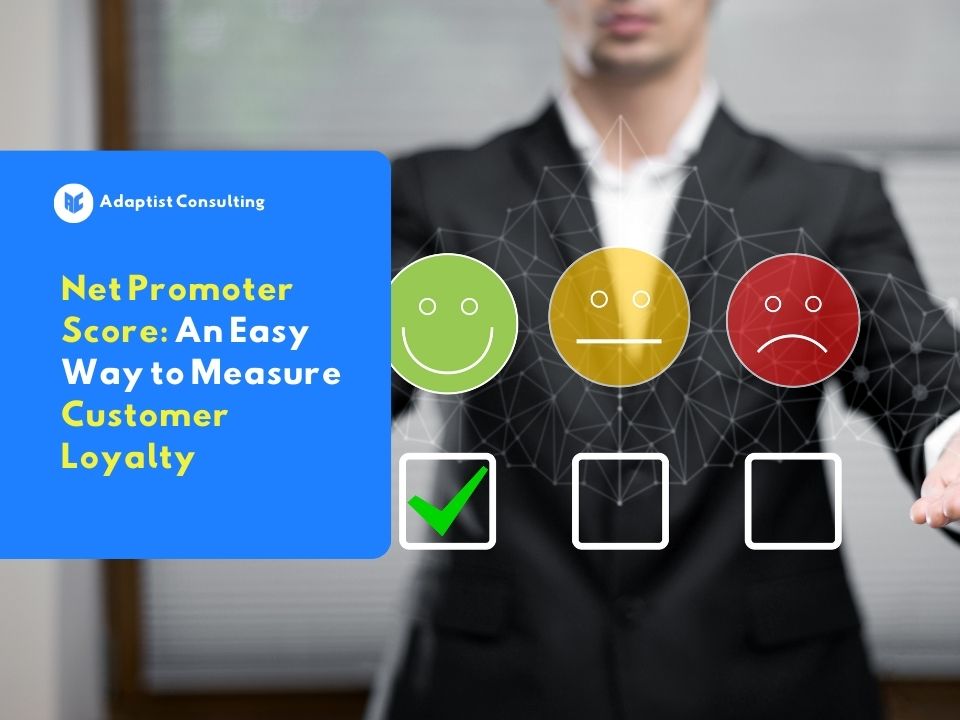
Based on the scores received, companies divide customers into three main classifications:
1. Promoters (Score 9 – 10)
Promoters are customers who feel highly satisfied with the quality of the service or product they receive. They usually have a positive experience and do not hesitate to recommend the business to others.
2. Passives (Score 7 – 8)
Customers in this category feel fairly satisfied but do not show strong enthusiasm. They do not actively recommend the business, but they also do not have a negative experience significant enough to give a poor evaluation.
3. Detractors (Score 0–6)
Detractors are customers who experience dissatisfaction. They tend to give negative reviews or even advise others not to use the same service.
By understanding these three classifications, companies can gain valuable insights into how customers perceive the services they provide.
Why Are Separate Apps Killing Your Profits?
This short guide explores how using multiple, disparate applications can hinder productivity and create hidden costs. Learn the importance of unifying tickets, conversations, and customer data into a single, integrated system to enable customer service teams to work more efficiently, responsively, and consistently.
Integrated Customer Service
Study this PDF to learn why unifying your customer service platform is a critical step in increasing productivity, maintaining customer context, and supporting business growth.
The Benefits of Net Promoter Score for Businesses
Measuring Net Promoter Score provides several strategic advantages for companies, especially in understanding customer experience more deeply. According to Qiscus, here are some of the main benefits businesses can gain from implementing NPS:
Measuring Customer Loyalty
NPS provides insights into how loyal customers are to the products or services offered. Customer loyalty becomes an important parameter because loyal customers usually bring higher long-term value to a company.
Identifying Opportunities for Improvement
Customer feedback allows companies to identify areas that need improvement. This information is essential for enhancing service quality and ensuring that customer experience continues to improve over time.
Improving Customer Retention
By identifying customers who have the potential to become detractors, companies can immediately take action to improve their experience. This effort helps prevent customer loss and increases retention rates.
Supporting Business Decision-Making
Net Promoter Score data can serve as a foundation for making strategic decisions, whether in product development, customer service improvement, or operational process optimization.
How to Calculate Net Promoter Score
Calculating Net Promoter Score is relatively simple but provides highly valuable insights for organizations. The first step is to collect customer feedback through a survey using a scale from 0 to 10. After that, companies categorize customers into promoters, passives, and detractors.
The formula used to calculate NPS is:
NPS = Percentage of Promoters – Percentage of Detractors
The calculation steps are as follows:
1. Determine the number of customers in each category
2. Calculate the percentage of promoters from the total respondents
3. Calculate the percentage of detractors from the total respondents
4. Subtract the percentage of detractors from the percentage of promoters
For example:
60% of customers fall into the promoters category
25% of customers fall into the passives category
15% of customers fall into the detractors category
The calculation would be:
NPS = 60% – 15%
NPS = 45
NPS scores generally range from -100 to +100. The higher the NPS score, the greater the level of customer loyalty toward the company.
Best Practices for Implementing Net Promoter Score
Beyond simply collecting scores, companies must also understand the context behind the ratings given by customers. With the right approach, NPS can serve as a powerful tool to identify service improvement opportunities while strengthening long-term relationships with customers.
To ensure NPS delivers optimal results, companies need to implement it strategically and consistently. According to Zendesk, here are several best practices for implementing Net Promoter Score:
1. Include Additional Questions
In addition to the main NPS question, companies can include follow-up questions that explore the reasons behind the scores given. This information helps companies understand customer experiences more deeply.
By understanding the specific reasons behind customer ratings, companies can identify which aspects of their service need improvement and which ones should be maintained. These insights also help customer support teams design more effective service improvement strategies.
2. Follow Up on Customer Feedback
Collecting NPS data alone is not enough. Companies must follow up on customer feedback to improve their experience. Responding quickly to customer feedback shows that the company values their opinions. This action can also help turn previously dissatisfied customers into more loyal ones.
3. Integrate NPS with Customer Support Systems
Integrating NPS surveys with customer support systems enables companies to respond to customer complaints more quickly and effectively. This integration also helps customer service teams track interaction histories and understand the context of customer issues. As a result, problem resolution becomes more structured and efficient.
4. Measure NPS Regularly
Companies should measure NPS regularly to monitor changes in customer experience over time. By conducting consistent measurements, businesses can identify trends in customer satisfaction and evaluate the effectiveness of their service strategies. This information becomes an important foundation for customer-focused decision-making.
Optimize Your Customer Service
Schedule a demo of Adaptist Prose and see how an integrated ticketing system helps bring tickets, conversations, and customer data together in a single dashboard. With a more structured workflow, teams can respond faster, reduce operational burden, and maintain consistent service quality as the business grows.
Conclusion
Net Promoter Score is a powerful indicator for understanding customer loyalty and evaluating the overall experience a company delivers. By adopting a clear measurement method, companies can gain valuable insights into how customers perceive their services.
When companies implement NPS consistently and follow it with the right improvement strategies, this metric can help increase customer satisfaction, strengthen long-term relationships, and support sustainable business growth.
For companies that want to manage customer experience in a more structured way, implementing an integrated service system can help monitor customer feedback, manage service tickets, and measure metrics such as NPS more effectively. Through the ticketing system solution from Adaptist Prose, companies can build a customer support system that is more responsive, measurable, and focused on meeting customer needs.
FAQ
No. Businesses of all sizes can use NPS, including large enterprises, startups, and organizations that want to better understand their customer experience.
Many companies measure NPS regularly, for example every quarter or after customers complete a specific interaction with the company’s service.
Generally, an NPS score above 0 is considered good, above 50 is considered excellent, and above 70 indicates a very high level of customer loyalty.