











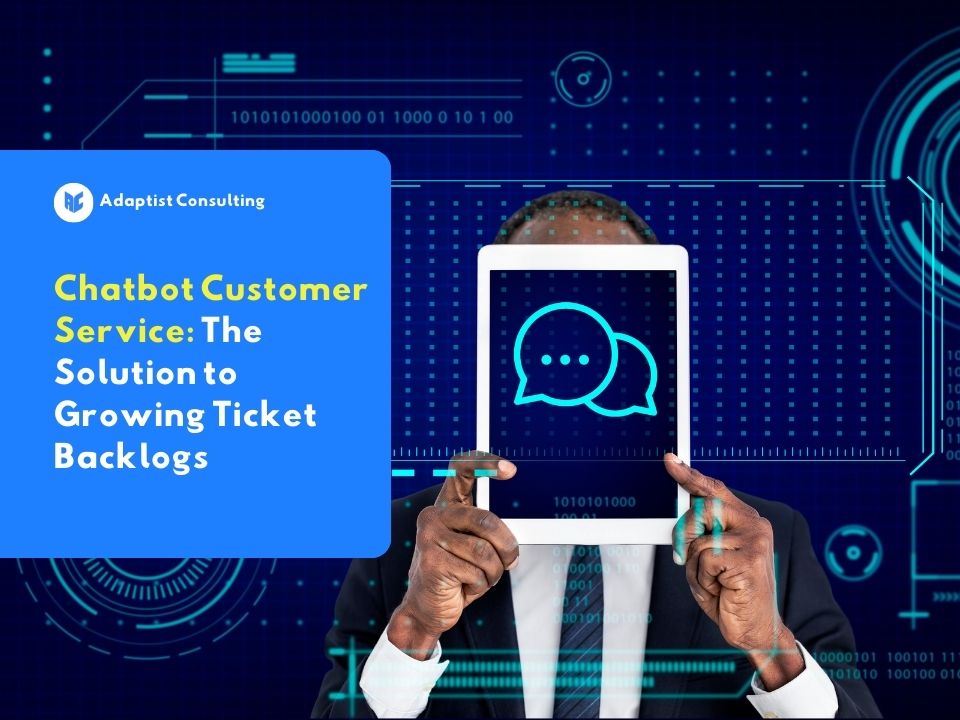
Chatbot in customer service plays a far more important role than simply providing automated replies. Modern chatbots connected to a ticketing system can significantly reduce incoming ticket volume, accelerate response times, and improve overall operational efficiency.
Customer service ticket volume continues to grow alongside the expansion of digital communication channels such as websites, email, WhatsApp, social media, and live chat. Without an integrated system, support teams often struggle to handle the surge of inquiries many of which are repetitive.
Why Does Customer Service Ticket Volume Keep Increasing?
As businesses evolve and digital services expand, customer expectations for fast responses continue to rise. Without a system that manages communication automatically and centrally, spikes in customer inquiries directly increase the number of tickets handled manually.
Several key factors contribute to this rise in ticket volume:
1. Multi-Channel Inquiry Surge
Today, customers do not rely on a single communication channel. They send messages through WhatsApp, Instagram, email, websites, and marketplaces almost simultaneously. Each channel has the potential to generate new tickets within the system.
Without omnichannel integration and early-stage automation such as chatbot customer service, support teams must monitor each platform separately. This not only increases ticket volume but also raises the risk of duplicate requests and inconsistent responses.
2. Repetitive Questions
Most customer service tickets contain similar questions that appear daily. Examples include order status, payment methods, delivery estimates, or refund procedures.
When agents handle all these inquiries manually, they spend valuable time on tasks that automation could easily manage. As a result, more complex issues that require special attention become delayed because the team focuses heavily on high-volume basic questions.
3. Impact on SLA and Customer Satisfaction
When tickets continue to pile up without proper filtering, response times slow down significantly. This directly affects the company’s ability to meet its Service Level Agreement (SLA).
The longer customers wait for answers, the higher the risk of dissatisfaction and declining trust in the brand. Over time, this situation impacts not only support team performance but also customer retention and overall brand reputation.
Why Are Separate Apps Killing Your Profits?
This short guide explores how using multiple, disparate applications can hinder productivity and create hidden costs. Learn the importance of unifying tickets, conversations, and customer data into a single, integrated system to enable customer service teams to work more efficiently, responsively, and consistently.
Integrated Customer Service
Study this PDF to learn why unifying your customer service platform is a critical step in increasing productivity, maintaining customer context, and supporting business growth.
The Role of Chatbot in Ticket Reduction Strategy
Chatbot customer service is no longer just an additional feature in modern support systems. With the right strategy, chatbots act as the first layer of support, filtering, directing, and even resolving customer requests before tickets enter the system.
This approach allows chatbots not only to answer questions but also to become part of a more structured and efficient customer service workflow design.
Chatbots operate at the early stage of interaction by:
- Providing quick answers based on the knowledge base
- Directing customers to self-service solutions
- Collecting important information before escalation
- Creating tickets only when the case truly requires human intervention
Through this method, only complex, sensitive, or empathy-driven cases reach human agents. As a result, agents can focus on higher-value cases and deliver better-quality service.
Read Also: 5 Common Mistakes in Ticketing System Implementation and How to Avoid Them
Real Business Impact
When implemented correctly, chatbot customer service does more than simplify communication, it creates measurable operational impact. Integrating chatbots with a ticketing system transforms customer service teams from reactive to proactive and more efficient.
These improvements affect not only technical processes but also team performance, operational costs, and the overall customer experience. Here are some tangible benefits businesses experience:
1. Reduction in Repetitive Tickets
FAQ automation and self-service features allow chatbots to answer common inquiries without agent involvement. Questions about order status, refund procedures, or product information can be resolved quickly through automated systems.
By reducing recurring tickets, the ticket dashboard becomes cleaner and more focused on cases that genuinely require human attention. This directly lowers daily ticket volume and prevents unnecessary backlogs.
2. Faster Response Time
With automated classification and routing, tickets that require agent attention are immediately assigned to the appropriate team. There is no longer a need to manually review and distribute tickets one by one.
As a result, First Response Time improves significantly. Customers do not have to wait simply because their tickets were placed in the wrong queue or not assigned properly. Faster responses directly contribute to improved customer satisfaction and SLA achievement.
3. Operational Cost Efficiency
Without automation, business growth often requires hiring more support agents to manage increasing ticket volume. However, with an integrated chatbot customer service system, many basic inquiries are handled automatically without adding new staff.
This helps companies control customer service operational costs. Instead of continuously recruiting new agents to manage inquiry surges, businesses can maximize their existing teams with a more efficient and productive workflow.
4. Focus on High-Value Cases
Once chatbots handle basic inquiries, agents can dedicate more attention to complex, sensitive, or high-impact issues that influence customer loyalty.
Serious complaints, technical problems, or special requests require empathy and in-depth analysis, something automation cannot fully replace. With better workload management, agents can deliver more personalized and professional service.
Read Also: 5 Ticketing System KPIs You Must Know to Improve Service Quality
Optimize Your Customer Service
Schedule a demo of Adaptist Prose and see how an integrated ticketing system helps bring tickets, conversations, and customer data together in a single dashboard. With a more structured workflow, teams can respond faster, reduce operational burden, and maintain consistent service quality as the business grows.
When Should Businesses Use Chatbot to Reduce Tickets?
Not all businesses need chatbots from the beginning. However, as customer numbers and communication channels increase, service complexity grows rapidly. At some point, relying solely on manual processes will no longer sustain service quality.
Chatbots become a smart solution when customer service systems start to show signs of overload. Key indicators include:
- Ticket volume increases drastically
- Customer service teams feel overwhelmed
- Response times slow down
- High number of repetitive inquiries
- SLA targets frequently missed
- Support operational costs continue to rise
If these indicators appear, chatbot customer service is no longer optional it becomes a strategic investment for sustainable service operations.
Optimize Your Customer Service with Adaptist Prose
In today’s competitive business environment, speed and service quality define success. Companies that respond faster and operate in a more organized manner gain a stronger opportunity to build loyalty and retain customers.
An effective chatbot is not only about automating conversations it must integrate seamlessly with your ticketing system and overall service workflow. Without the right system, chatbots can create complexity and confusion instead of efficiency.
With a structured and scalable approach, Adaptist Prose helps businesses transform their customer service into a faster, smarter, and more efficient operation. An integrated system ensures that every customer interaction is recorded properly, monitored easily, and analyzed for strategic decision-making.
FAQ
No. Chatbots handle basic and repetitive inquiries. Complex, sensitive, or empathy-driven cases still require human agents. The most effective system combines chatbot automation with an integrated support team.
Chatbots reduce tickets through ticket deflection by resolving customer inquiries without creating new tickets. Common questions such as order status, product information, or refund procedures can be answered instantly without agent involvement.
Businesses should select solutions that offer more than automated replies. Look for full ticketing system integration, SLA monitoring capabilities, automated routing, and comprehensive analytics dashboards to support long-term growth.